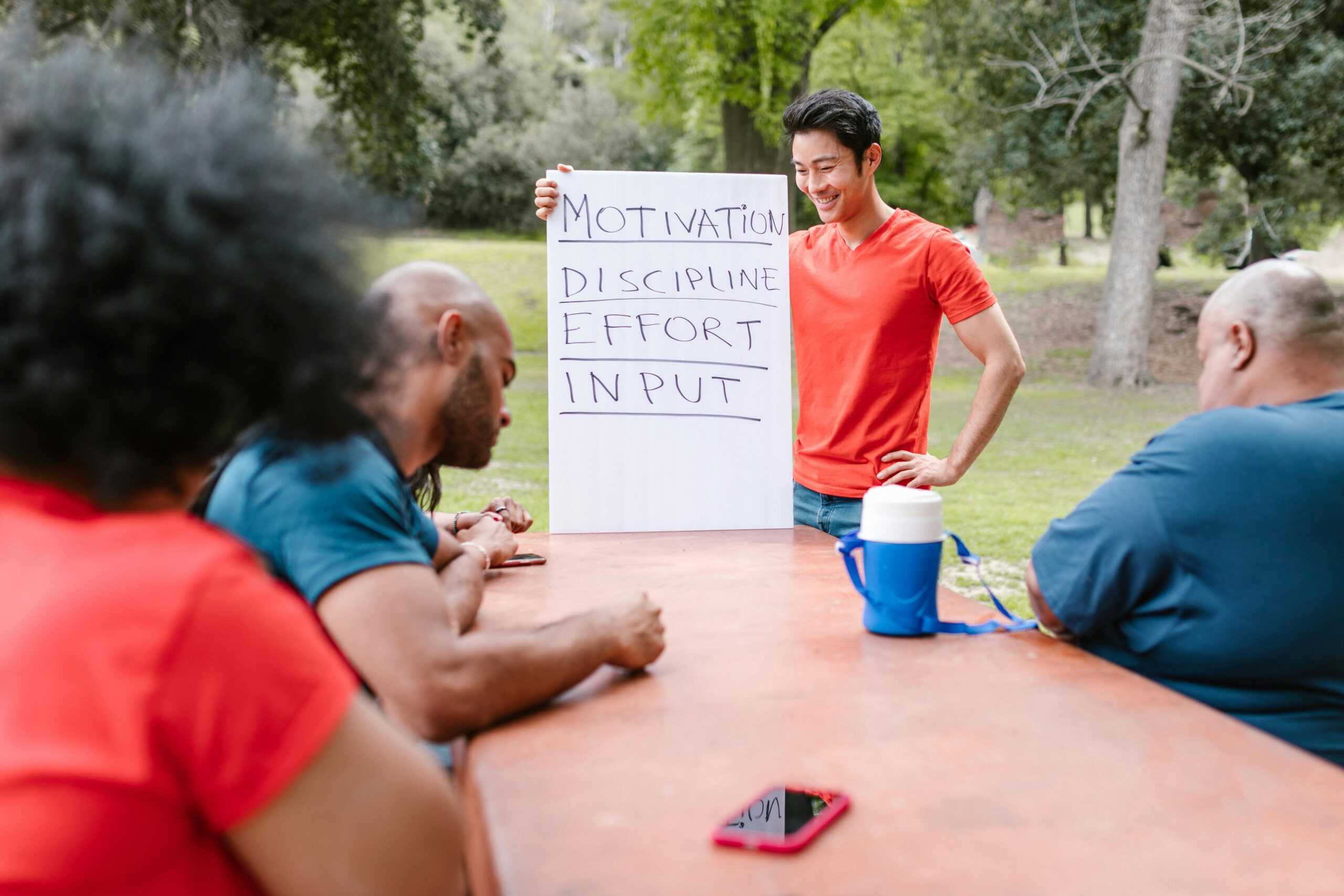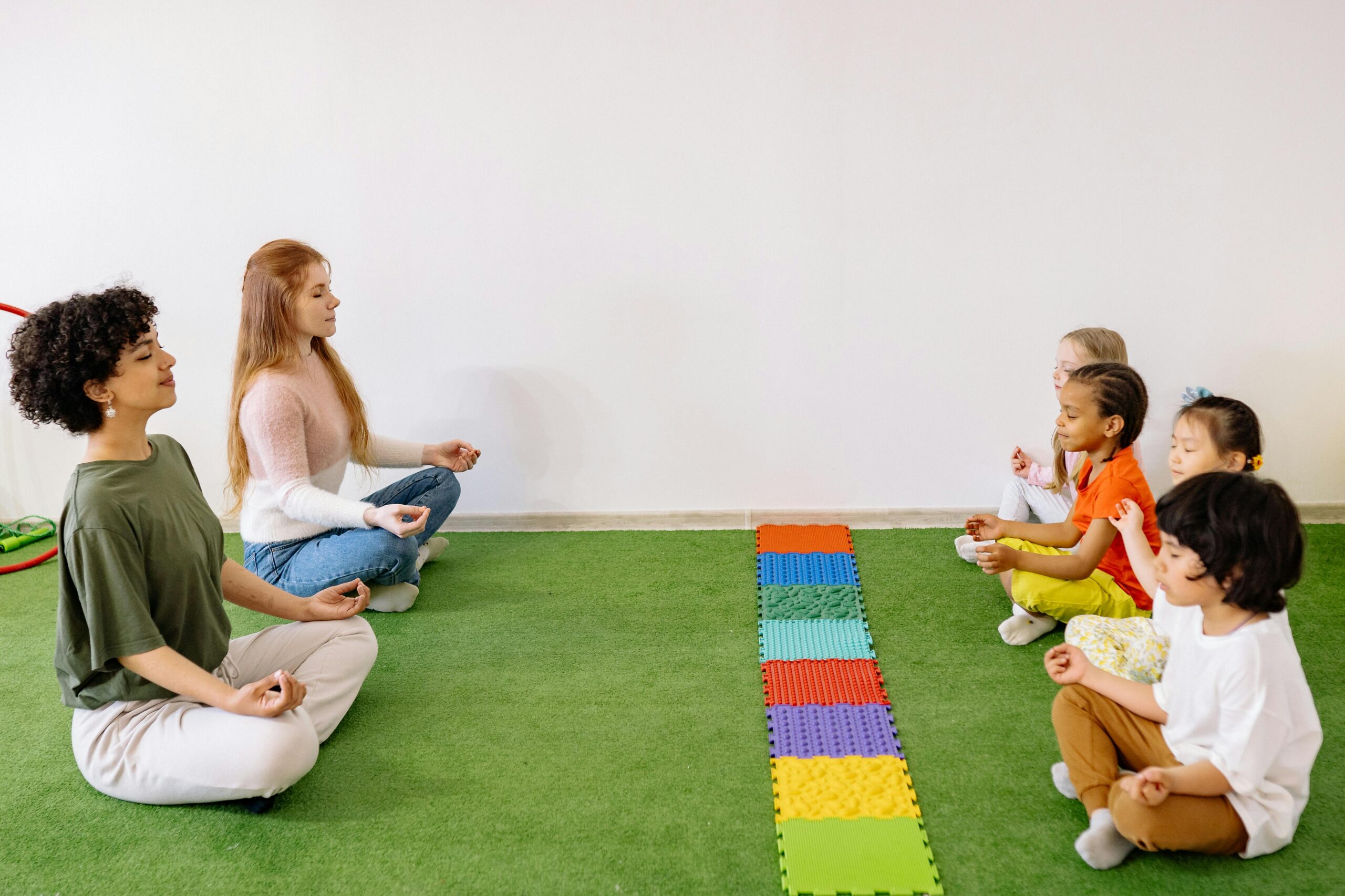
Innovation thrives in spaces where creativity meets opportunity. The modern workplace and educational institutions increasingly recognize that breakthrough ideas emerge from environments designed to nurture imagination, collaboration, and experimental thinking.

🎨 The Foundation of Creative Environments
Dynamic learning environments represent more than physical spaces with colorful furniture and open layouts. They embody a philosophical shift toward recognizing that creativity isn’t a fixed trait but a skill that flourishes under specific conditions. These environments intentionally blur the boundaries between work, play, and learning, creating fertile ground for innovative thinking.
Research consistently demonstrates that our surroundings profoundly impact cognitive function and creative output. Environments that stimulate multiple senses, provide psychological safety, and offer flexibility in how people interact with space directly correlate with increased innovation. Organizations investing in these principles see measurable improvements in problem-solving capabilities and breakthrough ideation.
The Psychology Behind Creative Spaces
Understanding the neurological foundations of creativity helps explain why certain environments unlock innovative potential. When individuals feel safe to experiment without fear of judgment, their prefrontal cortex activates differently, allowing for divergent thinking patterns essential to innovation. This psychological safety becomes the invisible architecture supporting all creative endeavors.
The brain’s default mode network, responsible for imagination and self-referential thinking, activates more readily in environments that balance stimulation with tranquility. Spaces that overwhelm or underwhelm fail to achieve this delicate equilibrium, resulting in diminished creative capacity.
🏗️ Designing Physical Spaces That Inspire
The physical environment serves as the canvas upon which creative interactions unfold. Thoughtful design considers not just aesthetics but functionality, adaptability, and the psychological needs of diverse learners and thinkers.
Flexibility as a Core Principle
Static environments constrain creative potential by assuming one-size-fits-all solutions. Dynamic learning spaces embrace modularity, allowing rapid reconfiguration to support different activities. Mobile furniture, movable partitions, and multi-functional areas enable transitions from individual reflection to collaborative brainstorming within minutes.
This flexibility acknowledges that innovation follows non-linear paths. A team might need intimate discussion circles one hour and expansive project spaces the next. Environments that accommodate these shifts remove friction from the creative process, allowing ideas rather than logistics to dominate attention.
Natural Elements and Biophilic Design
Incorporating nature into learning environments isn’t merely aesthetic preference—it’s supported by substantial evidence showing improved cognitive function, reduced stress, and enhanced creativity. Plants, natural light, water features, and organic materials create subconscious connections to the natural world that our brains evolved to navigate.
Windows overlooking green spaces, indoor gardens, and natural materials like wood and stone provide sensory variety that prevents cognitive fatigue. Studies indicate that exposure to natural elements can increase creative problem-solving by up to 50%, making biophilic design a powerful innovation catalyst.
💡 Technology’s Role in Creative Ecosystems
Technology serves as both tool and amplifier within dynamic learning environments. When thoughtfully integrated, digital resources expand creative possibilities without overwhelming human-centered learning experiences.
Digital Collaboration Platforms
Modern innovation rarely occurs in isolation. Collaborative technologies enable geographically dispersed teams to co-create in real-time, breaking traditional constraints of time and place. Digital whiteboards, project management tools, and communication platforms extend the creative environment beyond physical walls.
However, technology must enhance rather than replace human connection. The most effective digital tools disappear into the background, supporting interaction without becoming the focus. This requires careful selection and training to ensure technology serves creative goals rather than dictating them.
Immersive Learning Technologies
Virtual and augmented reality technologies offer unprecedented opportunities for experiential learning. These tools allow learners to explore impossible scenarios, visualize abstract concepts, and practice skills in safe simulated environments. Such experiences activate deeper cognitive processing than passive learning methods.
Gamification elements, when appropriately applied, tap into intrinsic motivation systems that drive engagement and persistence. Progress visualization, achievement recognition, and collaborative challenges transform learning into compelling experiences that sustain attention and encourage experimentation.
🤝 Cultivating Collaborative Culture
Physical design and technology provide infrastructure, but culture determines whether innovation actually flourishes. Organizations must intentionally cultivate norms, practices, and values that celebrate creative risk-taking and collective intelligence.
Psychological Safety as Foundation
Google’s extensive research on high-performing teams identified psychological safety as the most critical factor. When team members believe they can share ideas, ask questions, and admit mistakes without negative consequences, collective intelligence multiplies. Creating this safety requires consistent leadership modeling and systematic reinforcement.
Dynamic learning environments institutionalize psychological safety through structured protocols like “yes, and” thinking from improvisational theater, devil’s advocate roles, and explicit separation of ideation from evaluation phases. These practices signal that all contributions have value in the creative process.
Diversity as Innovation Fuel
Homogeneous groups naturally gravitate toward consensus and familiar patterns. Innovation requires fresh perspectives that challenge assumptions and introduce novel approaches. Intentionally diverse teams—across disciplines, backgrounds, experiences, and thinking styles—generate more creative solutions to complex problems.
Creating inclusive environments where diverse voices genuinely influence outcomes requires more than demographic variety. It demands active facilitation, equitable participation structures, and recognition systems that value different types of contributions. When diversity becomes authentic rather than performative, innovation accelerates dramatically.
📚 Pedagogical Approaches for Creative Development
The most beautifully designed space remains inert without educational approaches that activate creative potential. Modern pedagogy must evolve beyond information transmission toward capability development.
Project-Based and Experiential Learning
Passive consumption of information rarely produces innovative thinkers. Project-based learning immerses participants in authentic challenges requiring creative problem-solving, collaboration, and iterative refinement. These experiences develop the competencies innovation demands: ambiguity tolerance, adaptive thinking, and resilient persistence.
Effective project-based learning balances structure with autonomy. Clear objectives and constraints provide direction while leaving methodology open to creative exploration. This approach mirrors real-world innovation where problems are defined but solutions remain undiscovered.
Cross-Disciplinary Integration
Breakthrough innovations typically emerge at disciplinary intersections where different knowledge systems collide. Educational environments that maintain rigid subject boundaries inadvertently constrain creative potential. Integrated curricula that explore problems through multiple lenses develop the synthesis skills innovation requires.
Design thinking methodologies exemplify this integration, combining empathy from social sciences, prototyping from engineering, aesthetics from arts, and iteration from scientific method. Such frameworks provide structured approaches to unstructured problems, making creativity more accessible and systematic.
🎯 Measuring Creative Development
What gets measured gets valued. Organizations serious about innovation must develop assessment approaches that capture creative growth without stifling it through excessive standardization.
Beyond Traditional Metrics
Conventional testing emphasizes convergent thinking—identifying single correct answers to well-defined problems. Creative assessment requires evaluating divergent thinking, originality, elaboration, and flexibility. Portfolio-based assessment, where learners curate evidence of creative development over time, provides richer insights than snapshot examinations.
Process documentation becomes as important as final products. Reflection journals, iteration records, and collaborative feedback loops reveal thinking patterns and growth trajectories that finished projects alone cannot capture. This shift refocuses attention from outcomes to capabilities.
Qualitative Indicators of Innovation Culture
Organizational health indicators provide valuable signals about whether environments genuinely support innovation. Question frequency, failure tolerance, cross-functional collaboration rates, and time allocated for exploration all reflect cultural priorities more accurately than stated values.
Regular culture assessments through surveys, focus groups, and behavioral observation help identify gaps between aspiration and reality. Organizations that systematically close these gaps create authentic rather than performative innovation cultures.
🌱 Sustaining Creative Momentum
Initial enthusiasm for creative environments often fades without deliberate sustainment strategies. Long-term success requires embedding innovation practices into organizational DNA rather than treating them as temporary initiatives.
Leadership Commitment and Modeling
Leaders shape organizational culture through daily actions more than inspirational speeches. When leaders visibly engage in creative activities, acknowledge their own learning journeys, and celebrate productive failures, they legitimize these behaviors for everyone. Conversely, leaders who demand innovation while punishing mistakes create toxic contradictions that paralyze creative risk-taking.
Resource allocation reveals true priorities. Organizations committed to dynamic learning environments consistently invest in physical space improvements, professional development, experimentation time, and recognition systems that reward creative contributions. These investments signal that innovation represents strategic priority rather than rhetorical aspiration.
Continuous Evolution and Adaptation
Static approaches to dynamic environments create ironic contradictions. The most effective creative spaces continuously evolve based on user feedback, emerging research, and changing needs. Regular retrospectives, experimental pilots, and iterative refinement keep environments aligned with their creative mission.
This evolutionary approach models the very mindset these environments aim to cultivate. When learners see their environments respond to feedback and embrace experimentation, they internalize these practices as normal rather than exceptional.
🚀 Transforming Theory Into Practice
Understanding principles matters little without practical implementation strategies. Organizations at various stages can take concrete steps toward more dynamic learning environments regardless of current constraints.
Starting With Available Resources
Transformation doesn’t require massive budgets or complete redesigns. Simple interventions like rearranging furniture to enable collaboration, designating experimentation time, or establishing critique protocols that separate ideation from evaluation can shift culture significantly. Small wins build momentum for larger changes.
Pilot programs in specific teams or departments provide learning opportunities before scaling initiatives organization-wide. These experiments generate evidence, identify challenges, and develop internal champions who can guide broader implementation.
Building Internal Capabilities
External consultants provide valuable expertise, but sustainable change requires internal capability development. Training facilitators, equipping managers with creative leadership skills, and developing peer learning networks create self-reinforcing systems that outlast any single initiative.
Communities of practice where educators and leaders share experiences, troubleshoot challenges, and celebrate successes accelerate collective learning. These communities become innovation engines themselves, continuously improving approaches and adapting to emerging needs.
🌟 The Future of Creative Learning Spaces
Emerging trends suggest dynamic learning environments will become increasingly central to competitive advantage and individual development. Organizations that master these environments position themselves at innovation’s forefront.
Artificial intelligence and machine learning will increasingly personalize learning experiences, adapting content and pace to individual needs while freeing human facilitators to focus on higher-order creative guidance. Hybrid physical-digital spaces will blur boundaries between remote and co-located collaboration, expanding creative possibilities.
The most profound shift may be recognizing that everyone possesses creative potential waiting for supportive environments to unlock it. This democratization of innovation moves beyond elite genius myths toward collective capability development. Organizations embracing this inclusive vision will access vastly larger creative resources.
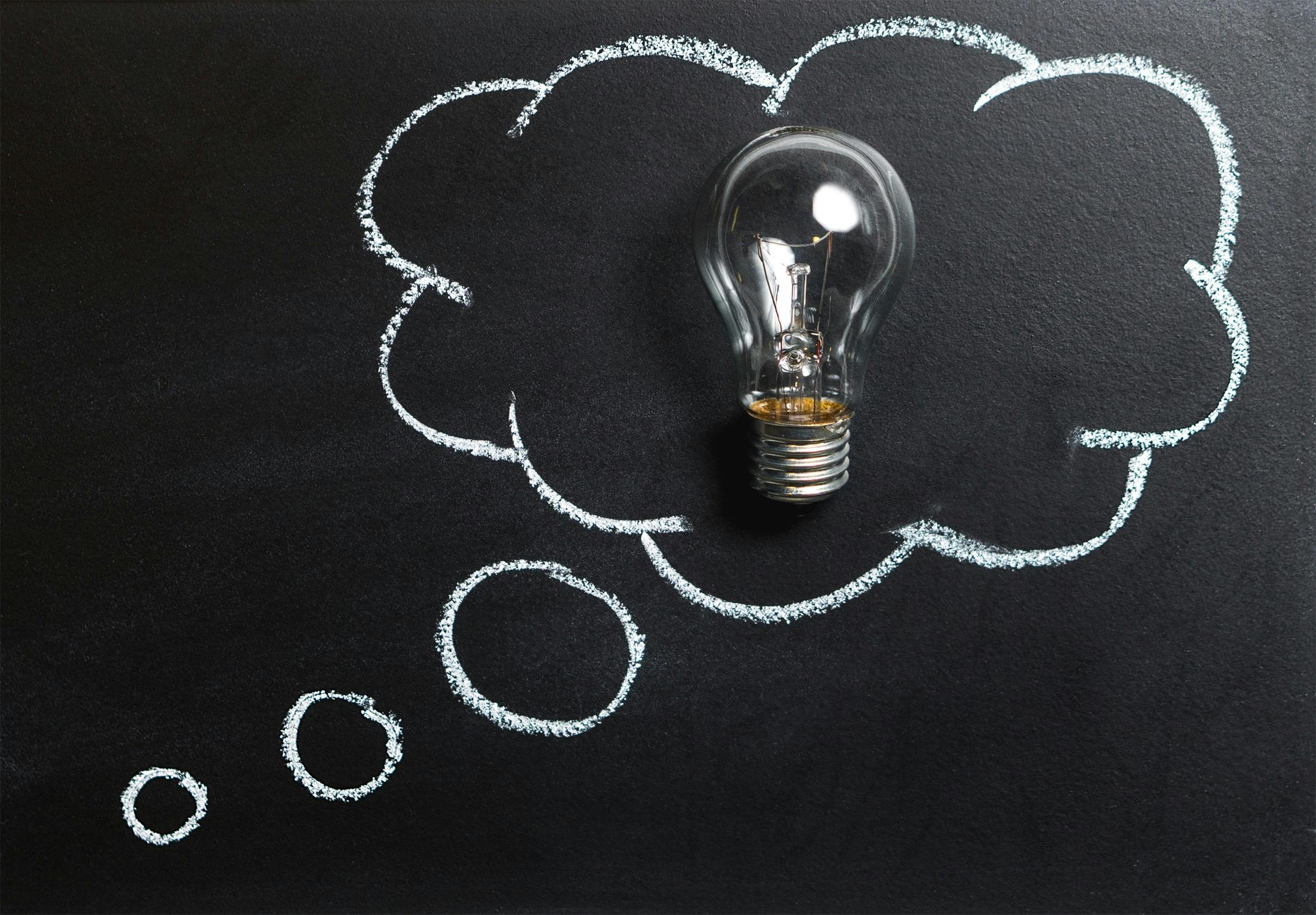
💫 Creating Your Innovation Catalyst
Dynamic learning environments represent strategic investments in human potential. Whether designing educational institutions, corporate training programs, or personal development spaces, the principles remain consistent: prioritize psychological safety, embrace flexibility, integrate diverse perspectives, and maintain evolutionary mindsets.
The journey toward more creative environments begins with single steps. Assess current conditions honestly, engage stakeholders in co-creating vision, experiment with small changes, and scale what works. Innovation in creating innovation spaces follows the same iterative, human-centered processes these environments aim to cultivate.
The organizations and individuals who thrive in coming decades will be those who successfully unlock creative potential through thoughtfully designed environments. This isn’t optional enhancement but essential capability for navigating complexity, ambiguity, and accelerating change. The question isn’t whether to invest in dynamic learning environments but how quickly we can transform spaces to meet emerging needs.
By understanding the psychological, physical, technological, and cultural dimensions of creative environments, we position ourselves to design spaces where innovation becomes natural rather than exceptional—where every interaction potentially sparks the next breakthrough idea. The future belongs to those who create conditions where creative minds flourish. ✨