Emotions are not obstacles to learning—they are the engine. When we unlock the emotional dimension of education and personal growth, we transform how individuals absorb knowledge, retain information, and ultimately achieve success.

🧠 The Science Behind Emotional Learning
For decades, traditional education systems treated learning as a purely cognitive process, separating intellect from emotion. Neuroscience has shattered this outdated model. Research consistently demonstrates that the emotional centers of our brain, particularly the amygdala and the limbic system, play crucial roles in memory formation, attention, and decision-making.
When we experience positive emotions during learning—curiosity, excitement, or even mild challenge—our brains release dopamine and other neurotransmitters that strengthen neural pathways. This biochemical response doesn’t just make learning more enjoyable; it makes it more effective. Studies show that information coupled with emotional experiences is recalled up to three times more effectively than neutral content.
The prefrontal cortex, responsible for higher-order thinking, works in tandem with emotional processing centers. When these systems collaborate harmoniously, learners can engage in deeper analysis, creative problem-solving, and critical thinking. Conversely, chronic stress or negative emotional states flood the brain with cortisol, literally shrinking the hippocampus—the region essential for learning and memory.
The Emotional Memory Connection
Think about your most vivid memories. They likely carry strong emotional weight—a graduation day, a first achievement, or even a significant failure. This isn’t coincidental. The brain prioritizes emotionally charged information because, from an evolutionary perspective, emotions signal importance. What mattered for survival gets remembered.
Educators and learners who harness this principle deliberately create emotional anchors for important concepts. Stories, personal connections, and real-world applications transform abstract ideas into memorable experiences. A history lesson becomes unforgettable when students connect emotionally with historical figures’ struggles and triumphs.
💡 Emotional Intelligence as a Success Predictor
Daniel Goleman’s groundbreaking research on emotional intelligence (EQ) revealed something remarkable: EQ often predicts success more accurately than traditional IQ measures. His work identified five core components that drive achievement across virtually every domain of life.
Self-awareness allows individuals to recognize their emotional states and understand how these feelings influence their thoughts and behaviors. Students with high self-awareness notice when frustration is blocking their comprehension and can implement strategies to reset their emotional state.
Self-regulation involves managing disruptive emotions and impulses. In learning environments, this skill enables persistence through difficult material, resistance to distractions, and the ability to maintain focus despite setbacks. The student who can manage test anxiety performs better not because they know more, but because they access what they know more effectively.
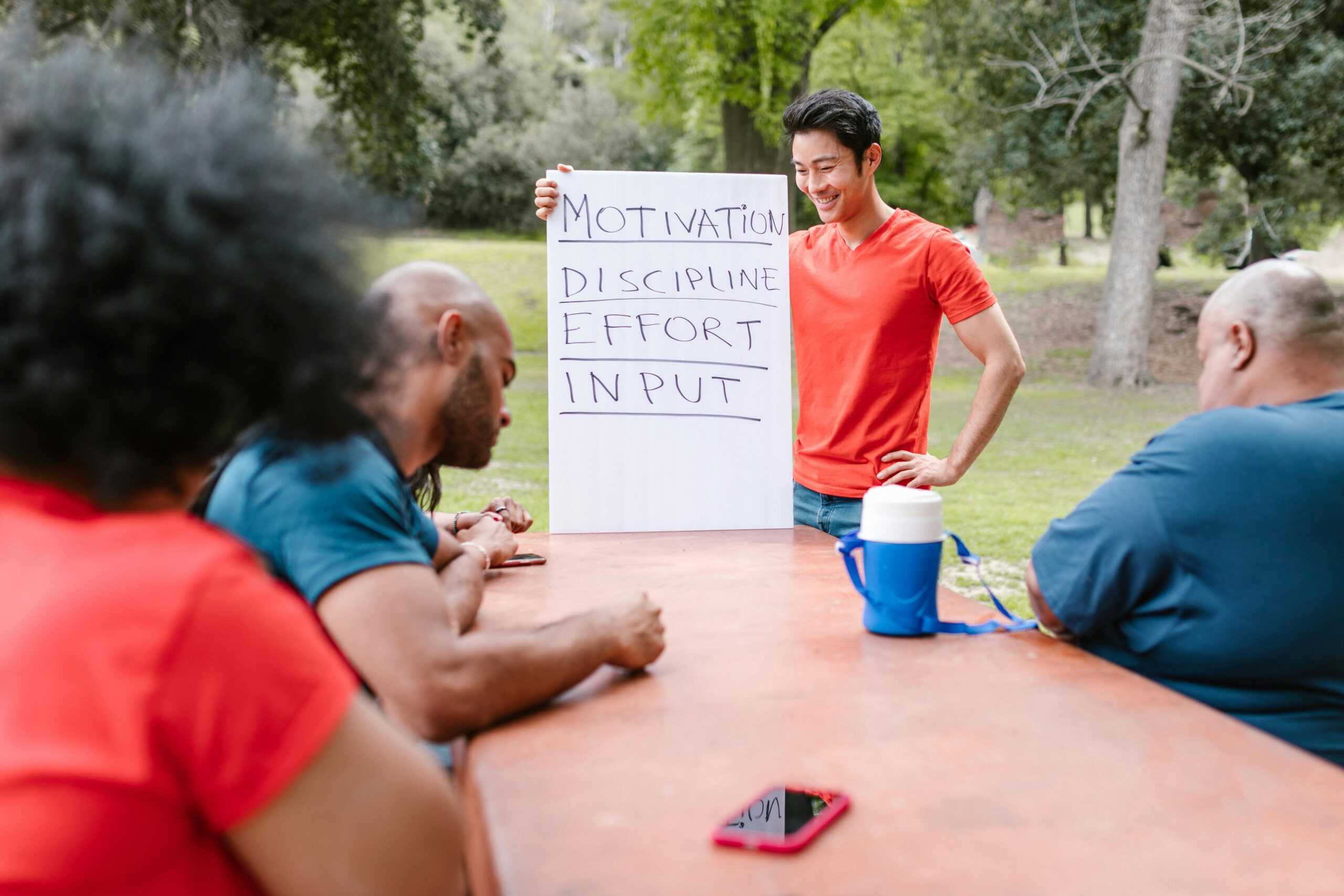
Motivation—particularly intrinsic motivation—drives sustained effort toward goals. When learners connect emotionally with their objectives, understanding why something matters to them personally, they develop the resilience necessary for long-term success. External rewards fade, but internal drive sustains.
Empathy and Social Skills in Collaborative Learning
Empathy extends beyond personal emotional management to understanding others’ feelings. In collaborative learning environments, empathetic students build stronger study groups, communicate more effectively, and create psychologically safe spaces where everyone feels comfortable contributing ideas.
Social skills represent the culmination of emotional intelligence, enabling individuals to manage relationships effectively. In our interconnected world, success rarely happens in isolation. The ability to inspire, influence, cooperate, and resolve conflicts directly impacts academic achievement and career advancement.
🎯 Creating Emotionally Engaging Learning Environments
Understanding the role of emotions in learning is one thing; applying this knowledge is another. Effective learning environments deliberately cultivate positive emotional states while building learners’ capacity to manage challenging emotions constructively.
Psychological safety forms the foundation. When learners feel safe to take risks, ask questions, and make mistakes without ridicule or harsh judgment, their brains remain in optimal states for learning. Threat responses shut down the prefrontal cortex, but safety activates curiosity and exploration.
Teachers and mentors who share their own learning struggles and vulnerabilities model healthy emotional relationships with challenges. This authenticity helps students understand that difficulty is a natural part of growth, not a sign of inadequacy.
The Power of Positive Emotional Climate
Warmth, humor, and encouragement aren’t soft skills—they’re strategic tools for enhancing learning outcomes. Research on classroom climate consistently shows that students in supportive, positive environments demonstrate:
- Higher engagement levels and attendance rates
- Increased willingness to participate and take intellectual risks
- Better retention of complex material over time
- Stronger intrinsic motivation and self-directed learning behaviors
- Improved problem-solving abilities under pressure
This doesn’t mean eliminating challenge or maintaining artificial positivity. Productive struggle, when supported appropriately, generates positive emotions like pride and self-efficacy. The key is balancing challenge with adequate support, creating what psychologist Lev Vygotsky called the “zone of proximal development.”
🚀 Motivation: The Emotional Fuel for Achievement
Motivation sits at the intersection of emotion and action. Without it, even the most capable individuals underperform. With it, people surprise themselves by achieving what once seemed impossible. Understanding motivation’s emotional roots unlocks strategies for sustaining effort toward long-term goals.
Self-Determination Theory, developed by psychologists Edward Deci and Richard Ryan, identifies three fundamental psychological needs that fuel intrinsic motivation: autonomy, competence, and relatedness. Each carries significant emotional dimensions.
Autonomy involves feeling a sense of choice and volition. When learners perceive themselves as agents rather than passive recipients, they experience emotions of empowerment and ownership. Even small choices—selecting project topics, deciding practice schedules, or choosing learning methods—can dramatically boost emotional investment.
Competence and the Joy of Mastery
The emotional reward of competence cannot be overstated. Humans are naturally driven to master their environments, and few feelings rival the satisfaction of accomplishing something previously beyond our reach. Effective learning experiences provide regular opportunities for learners to recognize their growing competence.
This requires careful attention to feedback. Vague praise like “good job” provides minimal emotional satisfaction or learning value. Specific, informative feedback that highlights progress and provides clear pathways for improvement generates emotional responses that fuel continued effort: “Your argument structure has improved significantly—notice how your evidence directly supports each claim now.”
Relatedness addresses our fundamental need for connection. Learning feels more meaningful when shared with others who care about similar goals. Study groups, learning communities, and mentorship relationships provide emotional support during difficult periods and amplify joy during successes.
😰 Managing Negative Emotions in Learning
A complete picture of emotional learning must address not just positive emotions but also difficult ones. Anxiety, frustration, fear of failure, and boredom are common learning companions. Success depends not on eliminating these emotions but on developing healthy relationships with them.
Anxiety, particularly around assessment, affects millions of learners. Moderate anxiety can enhance performance by increasing alertness and focus. However, high anxiety triggers the stress response, flooding the body with cortisol and adrenaline that impair memory retrieval and complex reasoning.
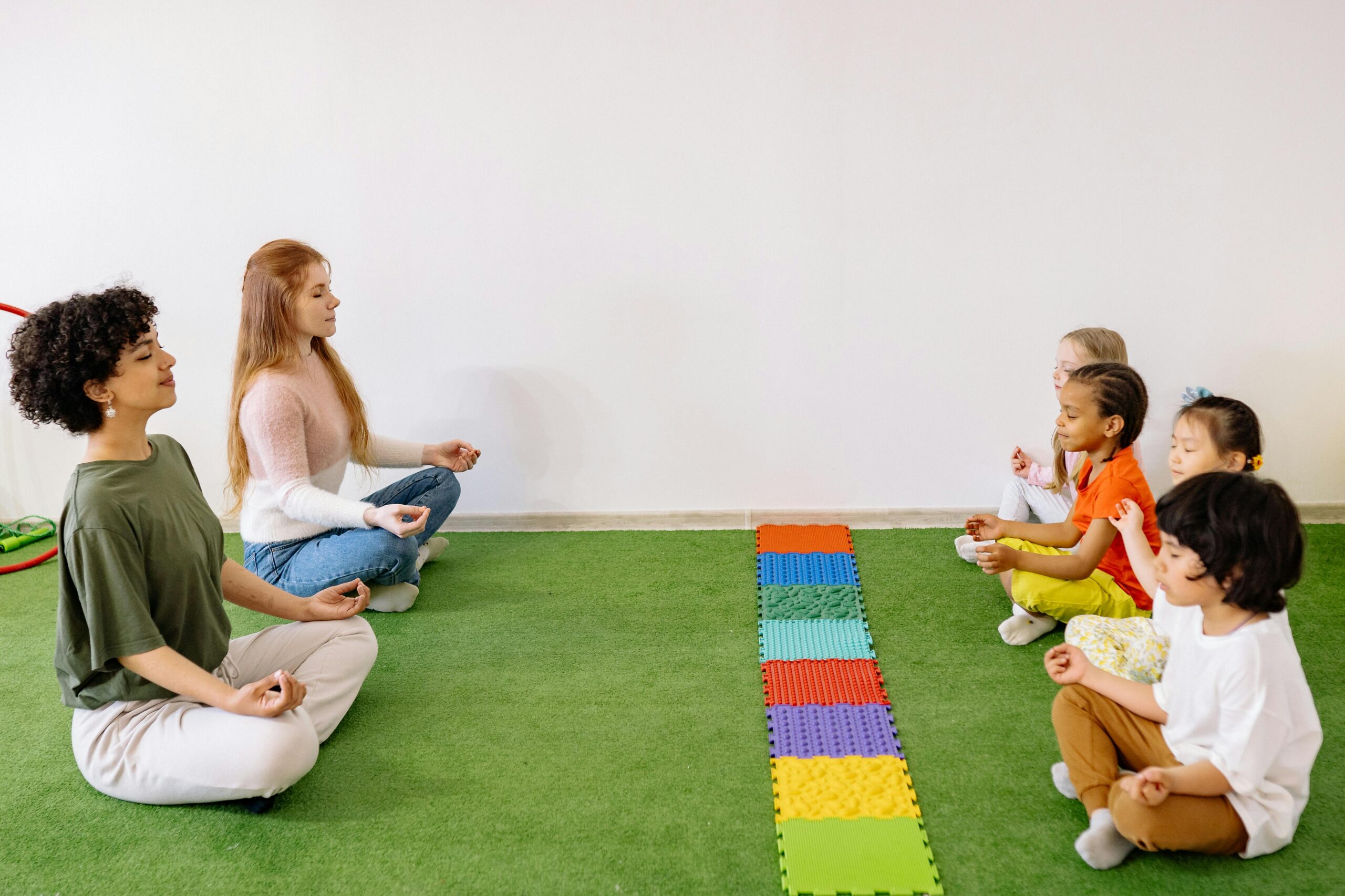
Effective anxiety management combines cognitive and somatic strategies. Cognitive approaches include reframing anxiety as excitement (they produce similar physiological states), focusing on preparation rather than outcomes, and challenging catastrophic thinking patterns. Somatic techniques—deep breathing, progressive muscle relaxation, and mindfulness practices—directly calm the nervous system.
Transforming Frustration into Persistence
Frustration signals a gap between expectations and reality. While uncomfortable, this emotion contains valuable information. Learners who understand frustration as a natural part of challenging work can use it productively rather than interpreting it as a sign to quit.
Teaching learners to pause when frustrated, identify the specific obstacle, and break problems into smaller components transforms a potentially destructive emotion into a problem-solving catalyst. The emotional skill isn’t eliminating frustration but maintaining belief in eventual success despite current difficulty.
Growth mindset, popularized by psychologist Carol Dweck, fundamentally concerns emotional interpretation of setbacks. Students with growth mindsets experience the same disappointments as those with fixed mindsets, but they interpret these experiences differently. Rather than seeing failure as revealing permanent limitations, they view it as temporary feedback requiring adjusted strategies.
📱 Technology and Emotional Learning
Digital tools increasingly mediate learning experiences, creating both opportunities and challenges for emotional engagement. Well-designed educational technology can provide personalized feedback, adjust difficulty levels dynamically, and create engaging narratives that connect emotionally with learners.
Gamification leverages emotional responses to challenge, achievement, and progress. When implemented thoughtfully, game elements like progress bars, achievement badges, and level systems provide the frequent positive feedback that sustains motivation. However, poorly designed gamification can foster superficial engagement focused on rewards rather than genuine learning.
Adaptive learning platforms use algorithms to adjust content difficulty based on performance, potentially maintaining learners in their optimal challenge zone. This personalization can prevent both the anxiety of excessive difficulty and the boredom of material that’s too easy.
Social learning platforms enable emotional connections among learners separated by geography. Discussion forums, collaborative projects, and peer feedback systems extend the emotional benefits of community beyond physical classrooms. The sense of learning alongside others pursuing similar goals provides motivation and support.
🌟 Practical Strategies for Emotional Learning Success
Understanding theory matters, but application determines outcomes. These evidence-based strategies help learners and educators harness emotions for enhanced learning and achievement.
Create Emotional Connections: Begin new topics by exploring why they matter personally. How does this knowledge connect to learners’ lives, goals, or values? Emotional relevance dramatically increases engagement and retention.
Design for Small Wins: Structure learning experiences to provide frequent opportunities for success. These emotional boosts build confidence and momentum. Break large goals into achievable milestones that generate regular feelings of accomplishment.
Normalize Struggle: Explicitly teach that difficulty indicates learning is happening, not that something is wrong. Share stories of successful people’s learning struggles. This reframing reduces shame and anxiety around challenges.
Implement Reflection Practices: Regular reflection helps learners develop self-awareness about their emotional learning patterns. Simple prompts like “What emotions did I experience during this task?” or “How did my emotional state affect my learning today?” build emotional intelligence.
Building Emotional Resilience
Teach Emotional Regulation Techniques: Directly instruct learners in strategies for managing difficult emotions. Breathing exercises, cognitive reframing, physical movement, and mindfulness practices give learners tools for maintaining optimal emotional states.
Foster Supportive Relationships: Facilitate connections among learners. Structured collaboration, peer mentoring, and community-building activities create networks of emotional support that sustain learners through difficulties.
Celebrate Effort and Strategy: Focus emotional recognition on controllable factors rather than innate ability. Celebrating effort, strategy use, and persistence builds the emotional experience that hard work leads to success.
Model Healthy Emotional Learning: Teachers, parents, and mentors who openly discuss their own emotional learning experiences—including struggles—normalize the full emotional spectrum of growth. This authenticity gives learners permission to experience and work with their own emotions.
🔑 The Integration of Head and Heart
The false dichotomy between emotional and cognitive learning has limited human potential for too long. The most powerful learning experiences integrate both dimensions seamlessly, recognizing that thoughts and feelings are inseparable aspects of how humans process, remember, and apply information.
Success in the 21st century demands more than knowledge accumulation. It requires adaptability, creativity, collaboration, and resilience—all fundamentally emotional competencies. The students who thrive are not necessarily those with the highest IQs but those who can manage their emotions effectively, maintain motivation through setbacks, understand others’ perspectives, and build meaningful relationships.
Organizations increasingly recognize this reality. Leading companies now prioritize emotional intelligence in hiring and promotion decisions, understanding that technical skills are trainable but emotional competencies predict performance, leadership potential, and cultural fit.
Educational institutions at the forefront of innovation are redesigning curricula and pedagogies to explicitly develop emotional competencies alongside academic content. Social-emotional learning programs, once considered supplementary, now occupy central positions in forward-thinking schools that recognize emotions as integral to all learning.
🎓 Transforming Education Through Emotional Awareness
The implications of emotional learning extend beyond individual achievement to systemic educational transformation. When institutions embrace emotions as central to learning, everything changes—assessment methods, teacher training, learning environment design, and success metrics.
Assessment evolves beyond measuring content recall to evaluating how learners apply knowledge in emotionally complex situations. Portfolio assessments, project-based learning, and performance tasks reveal not just what students know but how they navigate the emotional challenges of real-world problem-solving.
Teacher preparation programs increasingly incorporate training in emotional intelligence, classroom climate creation, and trauma-informed practices. Educators learn to recognize emotional barriers to learning and implement strategies that help all students access their potential.
Physical and virtual learning spaces are designed with emotional considerations in mind. Flexible seating arrangements support autonomy and comfort. Natural light, plants, and aesthetic elements create environments where brains function optimally. Digital platforms incorporate design principles that minimize anxiety and maximize engagement.
This transformation isn’t easy or quick, but the evidence is overwhelming: when we honor emotions as essential to learning rather than impediments to it, outcomes improve dramatically. Students become more engaged, retention increases, and learners develop the resilience and adaptability that serve them throughout life.
The future belongs to those who can effectively integrate their emotional and cognitive capabilities. By unlocking the power of emotions in learning, we unleash human potential that has remained dormant for too long. Every learner deserves educational experiences that engage their whole self—mind, heart, and spirit. When we provide these experiences, we don’t just improve test scores; we transform lives and create the foundation for genuine, lasting success. 🚀