Immersive training simulations are transforming how organizations approach learning and development, creating unprecedented opportunities for skill acquisition and performance enhancement across industries worldwide.

🚀 The Dawn of Experiential Learning Technology
Traditional training methods have long relied on classroom lectures, printed manuals, and occasional hands-on practice. However, these approaches often fail to prepare learners for real-world challenges adequately. The emergence of immersive training simulations marks a paradigm shift in educational methodology, leveraging virtual reality (VR), augmented reality (AR), and mixed reality (MR) technologies to create engaging, risk-free learning environments.
Organizations investing in immersive training report significant improvements in knowledge retention, skill transfer, and employee engagement. These technologies bridge the gap between theoretical understanding and practical application, allowing learners to experience realistic scenarios without the consequences of real-world mistakes. From healthcare professionals practicing complex surgical procedures to customer service representatives handling difficult interactions, immersive simulations are reshaping professional development across sectors.
The COVID-19 pandemic accelerated the adoption of digital learning solutions, making immersive training more relevant than ever. Companies discovered that remote training could be equally effective—and sometimes superior—when leveraging the right technology. This realization has permanently altered expectations for learning and development programs, pushing organizations to embrace innovation and prioritize experiential learning methodologies.
Understanding Immersive Training Technologies
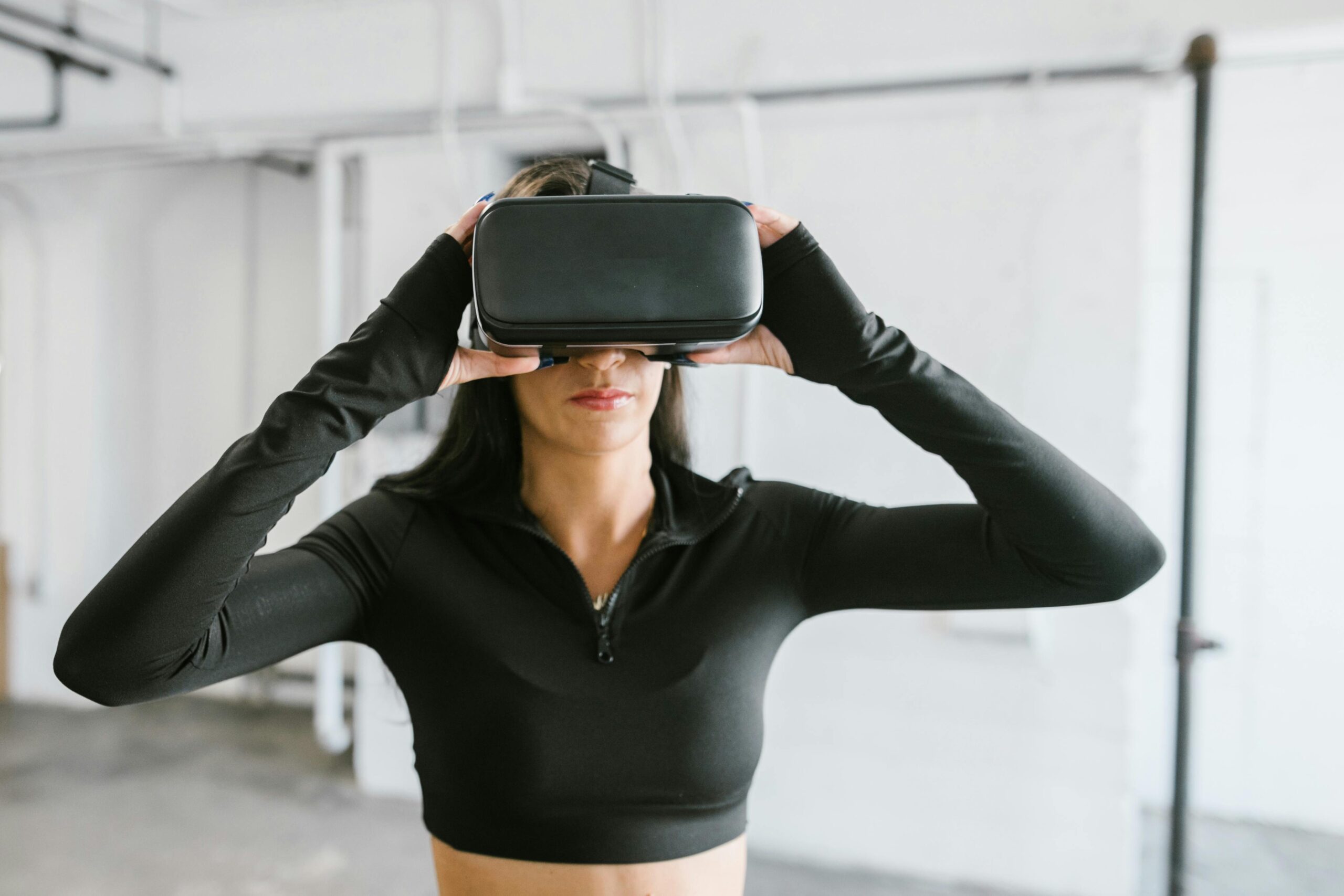
Immersive training encompasses several technological approaches, each offering unique advantages for different learning objectives. Virtual reality creates fully digital environments where learners can interact with three-dimensional spaces using headsets and controllers. This complete immersion eliminates distractions and allows for scenarios that would be impossible, dangerous, or prohibitively expensive to recreate physically.
Augmented reality overlays digital information onto the physical world, enabling learners to interact with their actual environment while receiving real-time guidance and feedback. This approach is particularly valuable for equipment maintenance, assembly tasks, and spatial learning where physical context matters. AR solutions often require less specialized hardware, making them more accessible for widespread deployment.
Mixed reality combines elements of both VR and AR, allowing digital and physical objects to interact in real-time. This sophisticated approach enables complex training scenarios where learners manipulate both real and virtual objects, creating highly realistic and contextually relevant experiences. The technology continues evolving rapidly, with improvements in hardware affordability, software capabilities, and content development tools making implementation increasingly practical.
💡 Transformative Benefits for Corporate Training
The advantages of immersive training simulations extend far beyond novelty appeal. Research consistently demonstrates that experiential learning produces superior outcomes compared to passive instruction methods. Knowledge retention rates for immersive training frequently exceed 75%, compared to approximately 10% for traditional lecture-based approaches. This dramatic difference stems from the active participation and emotional engagement that simulations generate.
Safety represents another compelling benefit, particularly in high-risk industries such as aviation, manufacturing, and healthcare. Trainees can practice emergency procedures, hazardous material handling, and critical decision-making without endangering themselves or others. This risk-free environment encourages experimentation and learning from mistakes—experiences that would be impossible or ethically questionable in real-world settings.
Cost efficiency becomes apparent when considering the expenses associated with traditional training methods. While immersive technologies require initial investment, they eliminate ongoing costs related to instructor time, travel expenses, equipment consumption, and facility rentals. A single simulation can train unlimited individuals across multiple locations, providing consistent quality and standardized assessment metrics.
Accelerated Skill Development
Immersive simulations compress learning timelines significantly. Learners can practice procedures repeatedly, receiving immediate feedback and adjusting their approach in real-time. This iterative process accelerates skill mastery, allowing individuals to achieve proficiency faster than traditional methods permit. Studies indicate that VR training can reduce learning time by up to 40% while improving performance outcomes.
The technology also enables deliberate practice of specific challenging scenarios. Rather than waiting for particular situations to arise naturally, learners can rehearse difficult conversations, complex procedures, or emergency responses on demand. This targeted approach addresses individual weaknesses efficiently, personalizing the learning journey based on performance analytics.
Industry-Specific Applications Driving Innovation
Healthcare providers are pioneering immersive training adoption, using simulations to prepare medical professionals for surgical procedures, patient interactions, and emergency response protocols. Virtual patients respond realistically to treatments, allowing practitioners to develop diagnostic skills and clinical judgment without risking actual patient safety. These simulations also standardize training quality across institutions, ensuring consistent competency regardless of location.
Manufacturing and industrial sectors leverage immersive training for equipment operation, safety procedures, and quality control processes. Workers can familiarize themselves with expensive machinery virtually before touching actual equipment, reducing damage risks and accelerating onboarding. Maintenance technicians practice troubleshooting procedures in virtual environments that perfectly replicate complex systems, building confidence before addressing real equipment issues.
Aviation has embraced flight simulators for decades, but modern immersive technologies extend beyond pilot training. Cabin crew members practice emergency evacuations, security protocols, and customer service scenarios in realistic virtual aircraft. Ground personnel train for baggage handling, aircraft marshalling, and maintenance procedures, all within safe, controlled digital environments that mirror actual operational conditions precisely.
Retail and Customer Service Excellence
Customer-facing industries utilize immersive simulations to develop soft skills that traditionally proved difficult to teach. Sales representatives practice product demonstrations and negotiation techniques with virtual customers who exhibit diverse personalities and objections. This approach builds confidence and communication skills more effectively than role-playing exercises with colleagues, as the AI-driven characters respond unpredictably, creating authentic interaction experiences.
Retail associates train for various scenarios including theft prevention, conflict de-escalation, and seasonal rushes. These simulations prepare staff for challenging situations without exposing customers to training imperfections or creating uncomfortable real-world practice scenarios. The result is better-prepared employees who deliver superior customer experiences from day one.
🎯 Designing Effective Immersive Training Programs
Successful implementation requires thoughtful planning and instructional design principles specifically adapted for immersive environments. Content must balance realism with learning objectives, avoiding the temptation to prioritize impressive graphics over educational effectiveness. The most impactful simulations focus on specific, measurable skills and provide clear pathways for progression and mastery.
Interactivity distinguishes effective immersive training from passive video experiences. Learners should make meaningful decisions that impact outcomes, experiencing natural consequences within the simulation. Branching scenarios adapt to learner choices, creating personalized experiences that address individual knowledge gaps and challenge areas. This dynamic approach maintains engagement while ensuring comprehensive skill development.
Assessment integration enables data-driven insights into learner performance. Modern immersive training platforms capture detailed analytics including decision-making speed, accuracy rates, areas requiring additional practice, and overall competency levels. These metrics inform both individual development plans and broader organizational training strategies, creating continuous improvement cycles.
Overcoming Implementation Challenges
Organizations face several obstacles when deploying immersive training solutions. Hardware costs, though decreasing, still represent significant investments for large-scale implementations. However, businesses can start with pilot programs targeting specific departments or skills before expanding enterprise-wide. Cloud-based platforms also reduce infrastructure requirements, enabling more organizations to access these technologies.
Content development requires specialized expertise combining instructional design knowledge with technical skills. Many companies partner with experienced vendors or invest in training internal teams to create custom simulations. Off-the-shelf solutions exist for common training needs, providing cost-effective starting points that can be customized as programs mature.
User acceptance varies, with some learners embracing technology enthusiastically while others experience hesitation or motion discomfort. Gradual introduction, clear communication about benefits, and providing alternative formats when necessary help address these concerns. Most users adapt quickly, with reported discomfort decreasing significantly as hardware and software continue improving.
Measuring Return on Investment
Demonstrating value remains crucial for securing ongoing support and resources for immersive training initiatives. Organizations should establish baseline performance metrics before implementation, tracking improvements in knowledge retention, skill application, error reduction, and time-to-competency. These quantifiable outcomes justify investments and guide program refinements.
Indirect benefits also contribute to ROI calculations. Reduced equipment damage, fewer workplace accidents, decreased customer complaints, and improved employee satisfaction all stem from better training. While harder to quantify precisely, these factors significantly impact organizational performance and should be considered when evaluating program success.
Employee engagement metrics provide additional insight into training effectiveness. Completion rates, voluntary practice sessions, and learner feedback indicate whether immersive training resonates with audiences. High engagement correlates with better outcomes and suggests that the training approach aligns with learner preferences and organizational culture.
🌐 The Future Landscape of Learning Technology
Artificial intelligence integration promises to enhance immersive training significantly. AI-powered virtual instructors and characters will deliver increasingly sophisticated, personalized interactions that adapt in real-time to learner needs. Natural language processing will enable realistic conversations with virtual characters, expanding soft skills training possibilities beyond current capabilities.
Haptic feedback technology continues advancing, adding tactile sensations to visual and auditory immersion. Learners will feel resistance when manipulating virtual objects, experiencing realistic force feedback during procedural training. This additional sensory dimension will further blur the line between virtual and physical training, enhancing skill transfer to real-world applications.
Social learning integration will connect geographically dispersed teams in shared virtual environments. Collaborative simulations will enable teams to practice coordination, communication, and problem-solving together regardless of physical location. This capability addresses the growing need for remote workforce development while maintaining the relationship-building benefits of in-person training.
Democratization Through Accessibility
As technology costs decrease and cloud-based delivery models proliferate, immersive training will become accessible to smaller organizations previously unable to afford such solutions. This democratization will level competitive playing fields, enabling businesses of all sizes to provide world-class training experiences. Educational institutions will similarly benefit, preparing students with practical skills that enhance employability.
Mobile and standalone VR devices eliminate the need for expensive computer infrastructure, further reducing barriers to entry. Web-based AR experiences accessible through smartphones bring immersive learning to anyone with a modern mobile device. These developments expand potential audiences dramatically, creating opportunities for widespread adoption across industries and demographics.
Building a Culture of Continuous Learning
Immersive training technologies support organizational cultures that prioritize ongoing development and skill enhancement. The engaging, game-like nature of many simulations encourages voluntary practice beyond mandatory training requirements. Employees become active participants in their development journeys rather than passive recipients of information, fostering ownership and accountability.
Microlearning opportunities emerge naturally from simulation-based approaches. Learners can access specific scenarios for quick skill refreshers or tackle focused challenges during brief periods, integrating training seamlessly into workflow patterns. This just-in-time learning model supports performance at the moment of need rather than relying solely on periodic formal training events.
Recognition and credentialing systems built into immersive platforms motivate continued engagement. Learners earn badges, certificates, or advancement opportunities based on demonstrated competencies within simulations. These tangible acknowledgments validate achievements and provide pathways for career progression, aligning individual development with organizational needs.
⚡ Taking the First Steps Forward
Organizations considering immersive training should begin by identifying specific challenges that simulation technology could address effectively. High-risk procedures, expensive equipment training, customer interaction skills, and safety protocols represent ideal starting points. Focusing on clear pain points ensures that initial implementations deliver measurable value and build momentum for expansion.
Pilot programs allow organizations to test approaches, gather feedback, and refine strategies before large-scale deployment. Starting small reduces risk while providing opportunities to learn about user preferences, technical requirements, and content development processes. Success stories from pilot initiatives build internal support and demonstrate potential to stakeholders.
Partnerships with experienced vendors or consultants accelerate implementation and help organizations avoid common pitfalls. These experts bring valuable insights about best practices, technical considerations, and instructional design principles specific to immersive environments. Their guidance helps ensure that investments yield optimal returns and create sustainable training programs.
Embracing the Transformation
The revolution in learning and development powered by immersive training simulations represents more than technological advancement—it reflects a fundamental reimagining of how humans acquire and refine skills. Organizations that embrace these innovations position themselves advantageously for future challenges, building workforces capable of adapting to rapid change and complex demands.
The question facing learning and development professionals is no longer whether to adopt immersive training, but how quickly and comprehensively to integrate these approaches. Early adopters gain competitive advantages through superior workforce capabilities, enhanced safety records, and improved operational efficiency. As technology continues evolving and best practices emerge, the gap between leaders and laggards will widen significantly.
Immersive training simulations have moved from futuristic concept to practical reality, delivering transformative results across industries worldwide. The future of learning is experiential, engaging, and extraordinarily effective—and that future has already arrived for organizations ready to embrace it. 🎓