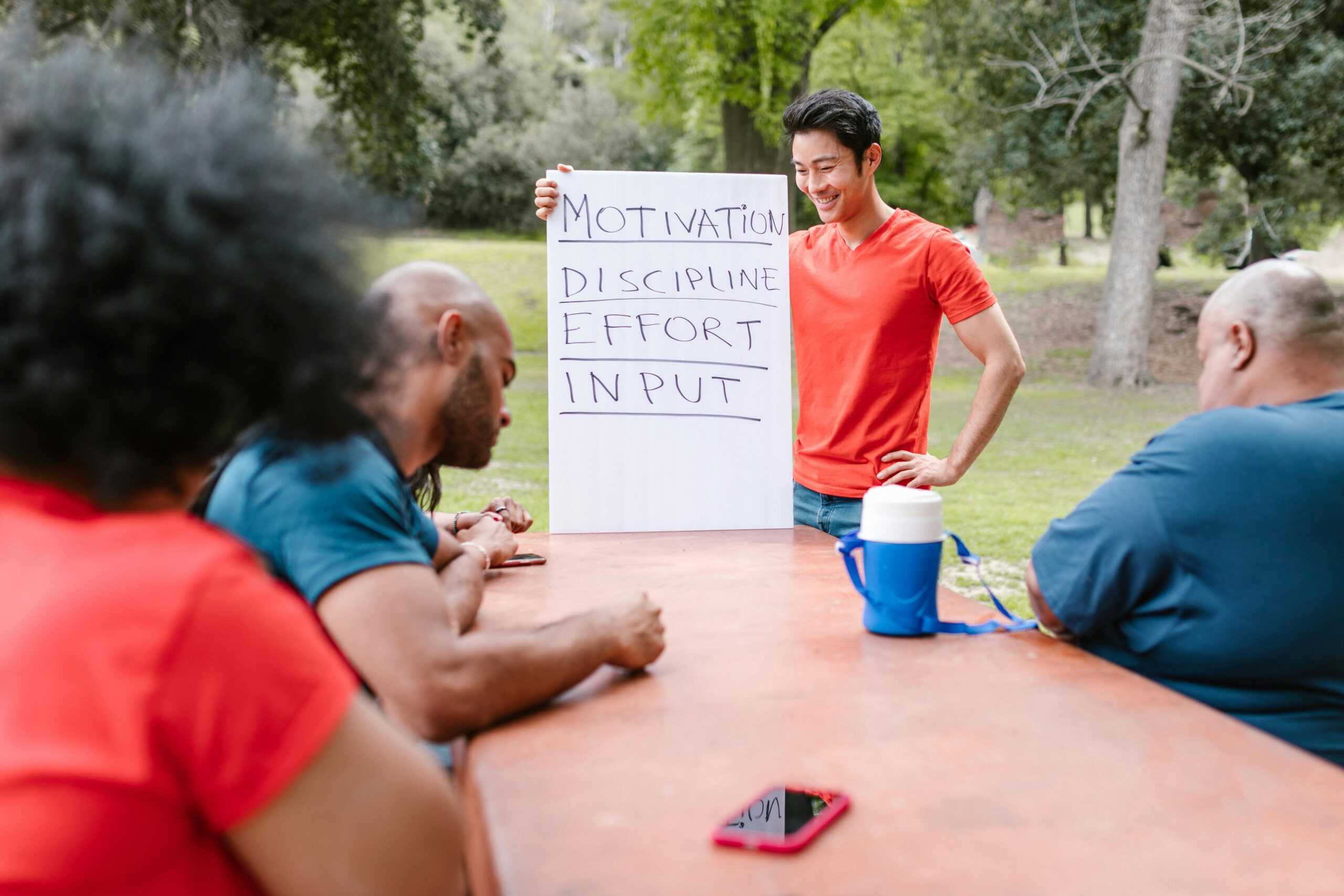
In today’s rapidly evolving world, cross-generational knowledge sharing has become essential for organizational success, community resilience, and personal growth across all age groups.

🌍 Why Cross-Generational Knowledge Transfer Matters More Than Ever
The modern workplace and society at large face an unprecedented challenge: multiple generations coexist with vastly different experiences, technological fluencies, and worldviews. Baby Boomers possess decades of industry wisdom, Generation X brings adaptability and independence, Millennials offer digital native perspectives, and Generation Z introduces fresh innovation and social consciousness. When these generations remain siloed, organizations and communities lose invaluable opportunities for growth, innovation, and continuity.
Research consistently demonstrates that companies embracing intergenerational collaboration outperform their competitors by significant margins. These organizations benefit from reduced knowledge loss during transitions, enhanced innovation through diverse perspectives, and improved employee engagement across all age demographics. The transfer of institutional memory from experienced professionals to younger colleagues ensures that hard-won lessons aren’t repeatedly relearned at great cost.
Beyond corporate environments, communities that foster cross-generational dialogue create stronger social fabrics. Elderly individuals share historical context and traditional skills while younger generations introduce technological solutions and contemporary perspectives. This reciprocal exchange enriches both parties and strengthens societal bonds that might otherwise fray in our increasingly fragmented world.
💡 The Hidden Costs of Generational Silos
When organizations fail to facilitate knowledge sharing between generations, they accumulate invisible but substantial costs. The retirement wave among Baby Boomers represents a critical knowledge drain, with estimates suggesting that companies lose billions annually due to inadequate knowledge transfer protocols. Experienced employees often retire with tacit knowledge—the unwritten rules, relationship networks, and nuanced understanding that can’t be captured in manuals or databases.
Younger employees, meanwhile, struggle with extended learning curves when denied access to mentorship from seasoned professionals. They reinvent wheels, repeat historical mistakes, and miss opportunities that experienced colleagues would immediately recognize. This inefficiency manifests as delayed project timelines, increased error rates, and frustrated talent who feel unsupported in their professional development.
The psychological costs deserve equal attention. Older workers who feel their expertise goes unvalued often disengage or depart prematurely. Younger professionals denied meaningful mentorship relationships report lower job satisfaction and higher turnover intentions. These human costs compound the operational inefficiencies, creating organizational cultures where knowledge hoarding replaces knowledge sharing.
Breaking Down Stereotypes That Block Connection
Generational stereotypes present perhaps the most insidious barrier to effective knowledge sharing. The dismissive “OK Boomer” rhetoric and complaints about “entitled Millennials” create psychological walls that prevent genuine dialogue. These caricatures ignore the tremendous diversity within each generation and the shared human needs that transcend age categories.
Older professionals aren’t uniformly technophobic, nor are younger workers categorically impatient or uncommitted. When organizations challenge these stereotypes through structured interactions, participants consistently report surprise at how much they have in common and how much they can learn from each other. Creating opportunities for authentic connection dismantles prejudices more effectively than any diversity training module.
🔧 Practical Strategies for Effective Knowledge Exchange
Successful cross-generational knowledge sharing requires intentional design and sustained commitment. Organizations that excel in this domain implement multiple complementary strategies rather than relying on single initiatives. The following approaches have demonstrated measurable impact across diverse sectors and organizational sizes.
Reverse Mentoring Programs That Actually Work
Reverse mentoring pairs senior leaders with junior employees who serve as mentors on specific topics, typically technology, social media, or contemporary cultural trends. When implemented thoughtfully, these programs benefit both parties substantially. Senior leaders gain genuine insight into technologies and perspectives they might otherwise dismiss, while junior employees develop confidence, executive exposure, and presentation skills.
The key to successful reverse mentoring lies in authentic curiosity and psychological safety. Senior participants must genuinely seek to learn rather than performing compliance, while junior mentors need assurance that honest feedback won’t jeopardize their careers. Organizations should establish clear objectives, regular meeting schedules, and protected time for these relationships to flourish beyond superficial interactions.
Cross-Generational Project Teams
Assembling project teams with deliberate generational diversity ensures that different perspectives inform decision-making from the outset. These teams naturally create opportunities for knowledge sharing as members collaborate toward common goals. A marketing campaign benefits from both the strategic media buying experience of veteran marketers and the social platform fluency of younger team members. Engineering projects gain from combining decades of troubleshooting wisdom with fresh approaches to problem-solving.
Team leaders play crucial roles in facilitating effective intergenerational collaboration. They must create space for all voices, mediate communication style differences, and explicitly value diverse contributions. Regular reflection sessions where team members discuss what they’re learning from each other can amplify the knowledge transfer that occurs naturally through collaboration.
Knowledge Capture Systems With Human Connection
While databases and documentation systems serve important functions, they cannot capture the contextual understanding and relationship networks that constitute much tacit knowledge. The most effective knowledge management approaches combine technological platforms with human storytelling and dialogue.
Video interviews with departing or retiring employees preserve not just information but the context, reasoning, and personality behind decisions. These recordings become organizational assets that new employees can reference years later. Pairing these recordings with opportunities for live conversation when possible creates layered learning experiences that accommodate different learning styles and information needs.
🎯 Creating Cultures That Value All Ages
Sustainable cross-generational knowledge sharing requires more than programs and initiatives—it demands cultural transformation. Organizations must examine and often revise their assumptions about age, contribution, and value. This cultural work begins with leadership but ultimately involves every organizational member.
Redefining Productivity and Contribution
Many organizations unconsciously privilege speed, hustle, and constant availability—metrics that often favor younger workers without caregiving responsibilities. While these qualities have value, they represent only one dimension of contribution. Wisdom, relationship capital, strategic thinking, and mentorship represent equally valuable contributions that often increase with experience.
Organizations committed to cross-generational knowledge sharing celebrate diverse forms of contribution. They recognize employees who invest time developing junior colleagues, value the perspective that prevents costly mistakes, and appreciate the relationship networks that open doors. Performance evaluation systems should explicitly reward knowledge sharing behaviors alongside individual productivity metrics.
Physical and Digital Spaces That Encourage Interaction
Environmental design influences interaction patterns more than most organizations acknowledge. Traditional office layouts that segregate by seniority or department create physical barriers to cross-generational connection. Open plans that include varied seating options—quiet focus areas, collaborative zones, and casual gathering spaces—enable spontaneous interactions across organizational boundaries.
Digital collaboration platforms require similar intentionality. Communication tools that younger employees find intuitive may overwhelm less tech-savvy colleagues, while systems comfortable for experienced workers may seem outdated to digital natives. Successful organizations often maintain multiple communication channels and explicitly teach norms for each, ensuring that no generation gets excluded from important conversations.
📚 Learning From Cross-Cultural Knowledge Sharing Models
Many indigenous and traditional cultures have maintained effective cross-generational knowledge sharing practices for centuries. These models offer valuable lessons for contemporary organizations struggling to bridge generational divides. The concept of eldership in numerous cultures embodies respect for accumulated wisdom while acknowledging that elders must earn continued influence through ongoing contribution and adaptation.
Traditional apprenticeship models create structured relationships where experienced practitioners gradually transfer complex skills to novices through observation, practice, and feedback. Unlike many modern training programs that prioritize speed and standardization, apprenticeships acknowledge that deep expertise develops gradually through sustained relationship and practice. Contemporary organizations can adapt these principles without literally recreating medieval guild systems.
Storytelling as Knowledge Infrastructure
Oral traditions have preserved essential knowledge across generations for millennia, demonstrating storytelling’s power as a knowledge transfer mechanism. Stories embed information in narrative structures that our brains naturally remember, provide context that makes abstract principles concrete, and transmit values alongside facts.
Organizations can harness storytelling’s power through lunch-and-learn sessions where experienced employees share career stories, recorded interviews that capture decision-making processes, and narrative case studies that illuminate both successes and instructive failures. These stories create emotional connections that pure data transfer cannot achieve, making knowledge sharing memorable and meaningful.
🚀 Technology as Bridge, Not Barrier
Technology often appears as a generational dividing line, with younger workers embracing new platforms while older colleagues resist change. This narrative oversimplifies reality and misses opportunities to use technology as a knowledge sharing enabler rather than obstacle.
Many older workers eagerly adopt new technologies when they clearly solve real problems and come with adequate support. Conversely, younger employees can grow frustrated with constantly changing platforms that seem to prioritize novelty over functionality. The key lies in selecting technologies that genuinely facilitate connection and knowledge sharing, then ensuring all users receive appropriate training and support.
Collaboration Platforms That Include Everyone
Effective collaboration technologies balance sophistication with accessibility. They offer powerful features for advanced users while maintaining intuitive interfaces for occasional users. The best platforms provide multiple pathways to complete tasks, accommodating different comfort levels and use cases.
Implementation matters as much as selection. Organizations should create peer support networks where early adopters from all generations help colleagues develop comfort with new systems. This approach distributes expertise and prevents the dynamic where “tech support” becomes exclusively associated with younger workers, reinforcing unhelpful stereotypes.
🌱 Measuring Success in Knowledge Sharing Initiatives
Organizations committed to cross-generational knowledge sharing must develop meaningful metrics to assess progress and refine approaches. Traditional productivity metrics often fail to capture knowledge transfer value, requiring more nuanced measurement strategies.
Quantitative indicators might include participation rates in mentoring programs, knowledge retention scores among new employees, reduction in time-to-competency metrics, and employee engagement scores segmented by generation. Qualitative measures provide equally important insights: testimonials about valuable knowledge exchanges, case studies of innovations sparked by intergenerational collaboration, and cultural assessment surveys tracking attitudes toward age diversity.
The most sophisticated organizations track knowledge network density—mapping who shares information with whom and identifying gaps in cross-generational connectivity. These network analyses reveal whether knowledge flows freely across age boundaries or remains trapped in generational silos. They highlight individuals who naturally bridge generations, enabling organizations to leverage and support these informal knowledge brokers.
💪 Sustaining Momentum Beyond Initial Enthusiasm
Many knowledge sharing initiatives launch with enthusiasm but fade as competing priorities emerge and initial champions move on. Sustaining cross-generational knowledge exchange requires embedding it into organizational DNA rather than treating it as a temporary program.
Integration begins with hiring practices that value generational diversity and interview processes that assess collaborative capability across differences. Onboarding should explicitly address generational dynamics and establish expectations for mutual learning. Performance management systems must reward knowledge sharing alongside individual achievement, and promotion criteria should include demonstrated ability to work effectively across generations.
Leadership Modeling That Normalizes Continuous Learning
When senior leaders publicly acknowledge learning from junior colleagues, they signal that knowledge doesn’t flow exclusively downward through organizational hierarchies. Leaders who share stories of being taught by younger workers, admit technological unfamiliarity without shame, and visibly invest time in cross-generational relationship building create permission for others to do likewise.
This modeling proves especially powerful when leaders describe specific knowledge gained and how it influenced decisions. Abstract endorsements of diversity matter less than concrete examples of cross-generational collaboration producing superior outcomes. These stories become organizational lore that shapes culture far beyond formal policies.
🎓 Educational Institutions as Cross-Generational Laboratories
Universities, continuing education programs, and community learning centers naturally bring together people of different ages. These environments offer unique opportunities to practice and refine cross-generational knowledge sharing approaches that can inform workplace and community initiatives.
Intergenerational learning programs that deliberately mix traditional college students with adult learners create rich exchange opportunities. Younger students offer technological facility and contemporary perspectives while older learners contribute life experience and alternative viewpoints shaped by different historical contexts. Faculty who skillfully facilitate these dynamics report enhanced learning outcomes for all participants.
Community education initiatives that pair seniors with youth for mutual skill sharing demonstrate the reciprocal nature of effective knowledge exchange. Programs where elders teach traditional crafts while learning digital skills from young people embody the “each one teach one” philosophy that recognizes everyone has valuable knowledge to share regardless of age.
🌟 Building Your Personal Cross-Generational Network
While organizational initiatives create structures and opportunities, individuals bear responsibility for actively building relationships across generational boundaries. Waiting for formal programs limits your access to diverse perspectives and knowledge sources. Proactive relationship building accelerates learning and enriches professional and personal life.
Start by identifying knowledge gaps where learning from different generations could prove valuable. Younger professionals might seek mentors who can provide industry context, career navigation wisdom, and strategic thinking frameworks. Experienced professionals might look for reverse mentors who can demystify emerging technologies, explain contemporary cultural references, or provide candid feedback on how they’re perceived by younger colleagues.
Approach potential mentors and mentees with specific requests rather than vague invitations. People respond more readily to “Would you help me understand how to navigate office politics in this organization?” than “Will you mentor me?” Specificity demonstrates respect for others’ time and increases the likelihood of meaningful exchange.
🔮 Preparing for Future Generational Transitions
As Generation Z enters the workforce in growing numbers and Generation Alpha approaches working age, organizations face fresh opportunities and challenges in cross-generational knowledge sharing. These emerging generations bring unprecedented technological fluency, social consciousness, and expectations for workplace flexibility that will reshape organizational norms.
Proactive organizations begin now to understand these generations’ preferences, strengths, and development needs. They create pathways for younger workers to contribute meaningfully from early career stages while ensuring these contributors receive guidance from more experienced colleagues. The organizations that thrive will reject either/or thinking—traditional wisdom versus fresh innovation—in favor of both/and approaches that leverage all available knowledge sources.
The future belongs to organizations and communities that successfully orchestrate knowledge sharing across all generations simultaneously. As lifespans extend and career patterns grow less linear, we must abandon outdated assumptions about age-based capabilities and contributions. The most innovative solutions emerge when diverse perspectives collide constructively, and generational diversity represents one of the most readily available yet frequently underutilized sources of perspective diversity.

✨ Transforming Generational Differences Into Competitive Advantages
Cross-generational knowledge sharing ultimately transforms what many perceive as generational conflict into genuine competitive advantage. Organizations that excel in this domain access broader knowledge bases, make better decisions through diverse input, innovate more successfully by combining proven approaches with fresh perspectives, and create cultures where all employees feel valued regardless of age.
The investment required is modest compared to potential returns: time for relationship building, willingness to challenge assumptions, and commitment to creating inclusive cultures where everyone teaches and everyone learns. The alternative—allowing generational silos to persist—guarantees knowledge loss, missed opportunities, and weakened organizational capacity precisely when complexity and change demand our collective best thinking.
Beginning your cross-generational knowledge sharing journey requires no special resources or formal authority. It starts with curiosity about people whose life experiences differ from yours, humility to acknowledge your knowledge gaps, and generosity in sharing what you know. Each conversation across generational lines, each instance of mutual learning, and each collaboration that bridges age differences strengthens not just individual organizations but our collective capacity to address the complex challenges we face together. The future we build depends on wisdom from every generation working in concert, and that future starts with the connections we choose to make today.